

Civil
THE CIVIL AND CONSTRUCTION TRADES
THE CIVIL AND CONSTRUCTION TRADES
Focuses on skills needed in the building and construction industry. Training includes bricklaying, plumbing, and carpentry. Learners gain practical site experience and an understanding of construction standards and safety regulations. Explore the trades below to view the courses offered in each trade area.
focuses on skills needed in the building and construction industry. Training includes bricklaying, plumbing, and carpentry. Learners gain practical site experience and an understanding of construction standards and safety regulations. Explore the trades below to view the courses offered in each trade area.

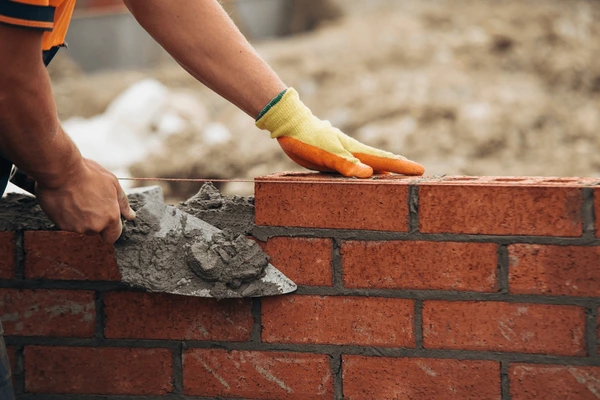
This qualification recognises people who have the competencies required for performing basic bricklaying and plastering tasks. It is awarded to people who have demonstrated the skills and knowledge required to perform basic bricklaying and plastering tasks, including plan and organise construction work, manufacturing bricks, using bricklaying hand tools and work in a bricklaying team.
Career Opportunities
-
Bricklayer
-
Plasterer
-
Construction Worker
-
Building Contractor
-
Building Maintenance Technician
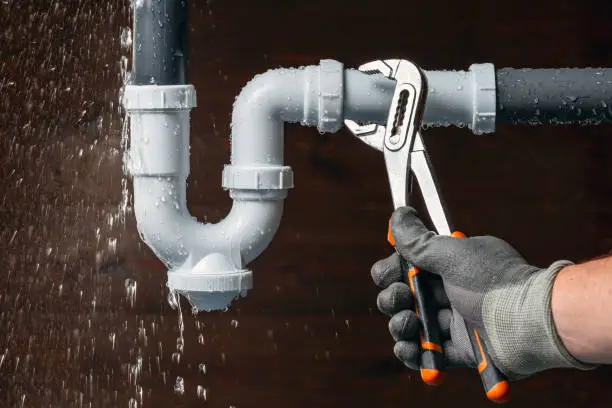
Plumbing and pipefitting offers diverse, high-demand career paths ranging from residential, commercial, and industrial, to specialized fields like pipefitting, gas engineering, and sustainable, green technology (solar/heat pumps).
Career Opportunities
- Journeyman Plumber
- Master Plumber
- Site Foreman
- Project Manager,
- Workshop Team Leader
- Project Engineer
- Field Engineer
- Artisan Plumber
- Self- Employed or Entrepreneur
- Maintenance Technician
- Building Inspector
Work includes, but is not limited to
- Installation, maintenance and repair plumbing equipment and systems within the guidelines of country.
- Repair pipes of various sizes and materials type.
- Fix plumbing Fixtures such as baths, sinks, hand wash basin and water closet pans to walls in floors.
- Cut threads, bend and join piping to correct dimensions
- Disassembles and reassembles commercial plumbing equipment to perform trouble shooting and for preventative maintenance.
- Operate hand tools, power tools, gauges and measuring equipment to perform service.
- Check safety equipment and replace components such as washers, gaskets, strainers and filters.
- Inspect, repair, replace pumps, valves and boilers system including swimming pools
- Diagnoses plumbing system performance through observation and testing.
- Be able to follow plans and drawing, and understand technical instruction.
- Quote and order consumable from suppliers.
Career Progression & Specialization
Apprenticeship 4–5 year, paid training period combining on-the-job experience with classroom instruction.
Journeyman and Master Plumber: After experience, plumbers can take exams to become licensed journeypersons, eventually advancing to master plumbers.
Specialized Roles: Plumbers can focus on high-demand niches, such as gas engineering (requiring registration), solar heating systems, or sustainable, green technology.
Industrial/Municipal Work: Roles in factories, power plants, or municipal water/waste facilities, involving complex piping and high-pressure systems.
Management & Business Opportunities
Supervisor Roles: Experienced plumbers can become team leaders, site foremen, or project managers in construction.
Self- Employed: Starting a plumbing business offers control over scheduling, pricing, and project selection.
Inspecting and Training: Options include becoming a building inspector or a trainer/instructor at trade schools.
Industries & Settings
Residential: Working in homes (residential) on repairs, renovations, and new installations.
- Commercial:Working in schools, hospitals, and office buildings on complex systems.
- Industrial:Managing piping for factories, chemical plants, and high-pressure systems.
Skills Required
- Technical knowledge of piping systems.
- Problem-solving and critical thinking.
- Customer service and communication.
- Physical stamina, safety consciousness safety and Code Compliance.
With the industry evolving, continued training is necessary to keep up with new technologies like smart fixtures, green energy solutions, and modern water treatment, making it a robust career choice.
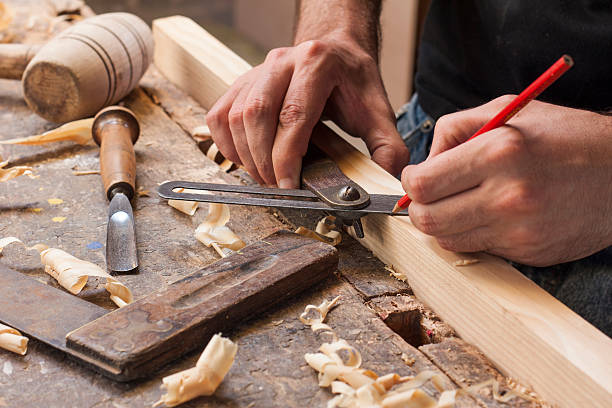
This trade focuses on crafting and installing wooden structures and fittings. Learners gain skills in furniture making, roofing, doors, and finishing.
It combines craftsmanship with modern construction techniques.
Career Opportunities
-
Carpenter
-
Joiner
-
Furniture Maker
-
Construction Technician
-
Cabinet Maker